Our History
A comeback, one milestone at a time.
Our History
One long line.
Thousands of years
Nisenan homeland
Long before anyone laid track or panned for gold, Nisenan people lived along the Bear River in what is now Colfax, and they still call this region home.
1849
The Gold Rush arrives
Miners poured into the foothills. A camp called Alder Grove grew into Illinoistown, a busy supply hub for the diggings.
July 1865
Colfax is founded
The Central Pacific Railroad laid out a brand-new town about a mile from Illinoistown and named it for Schuyler Colfax, Speaker of the House, who had passed through just days before. Lots went up for sale within weeks, on land the railroad owned.
September 1865
The first train arrives
The tracks reached Colfax, and the real push over the Sierra began here. For a time, Colfax was the end of the line and the supply depot for the climb ahead.
1865–66
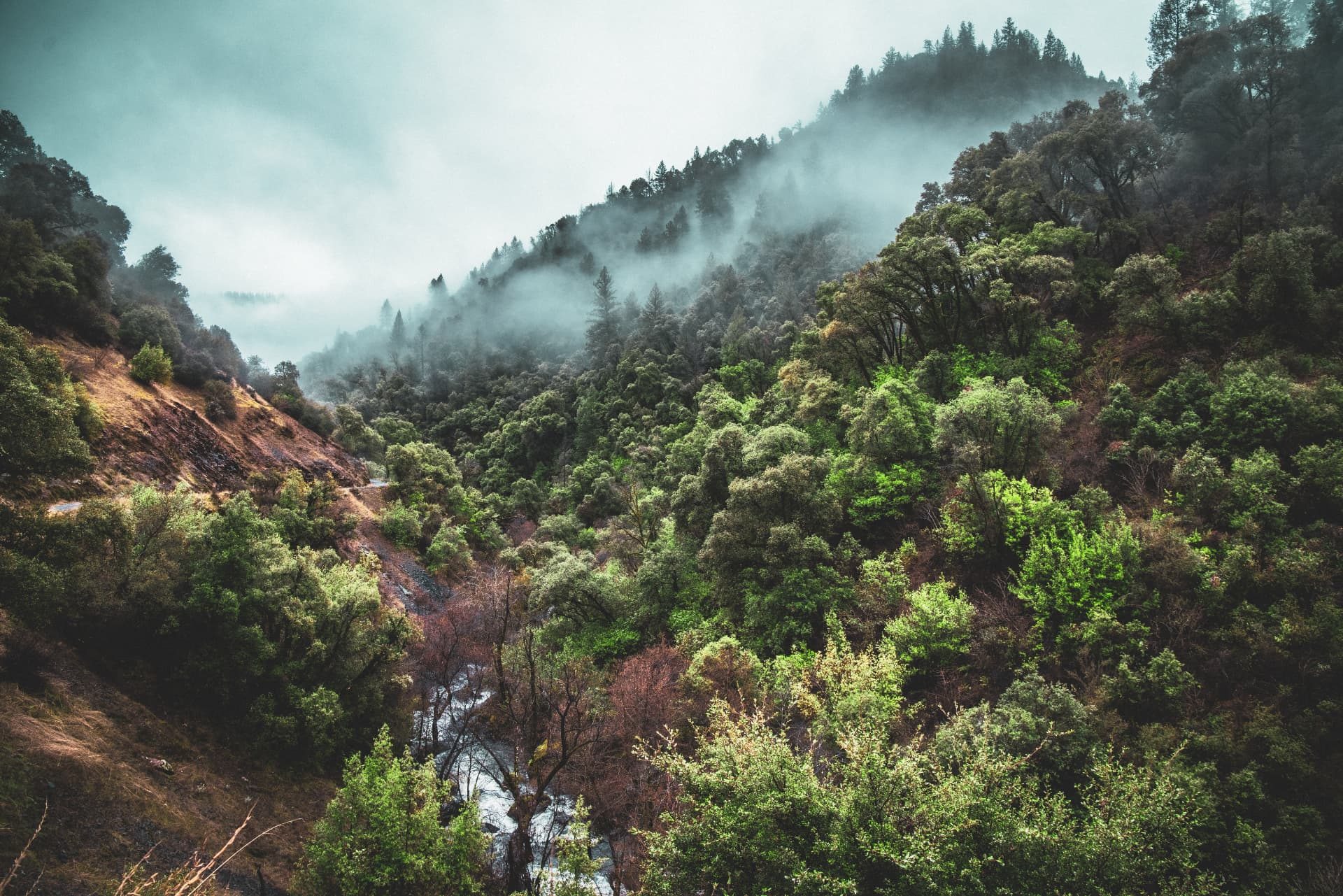
Cape Horn
Just outside town, a mostly Chinese workforce carved the railroad's roadbed into a cliff high above the American River, one of the great engineering feats of the transcontinental line.
1871
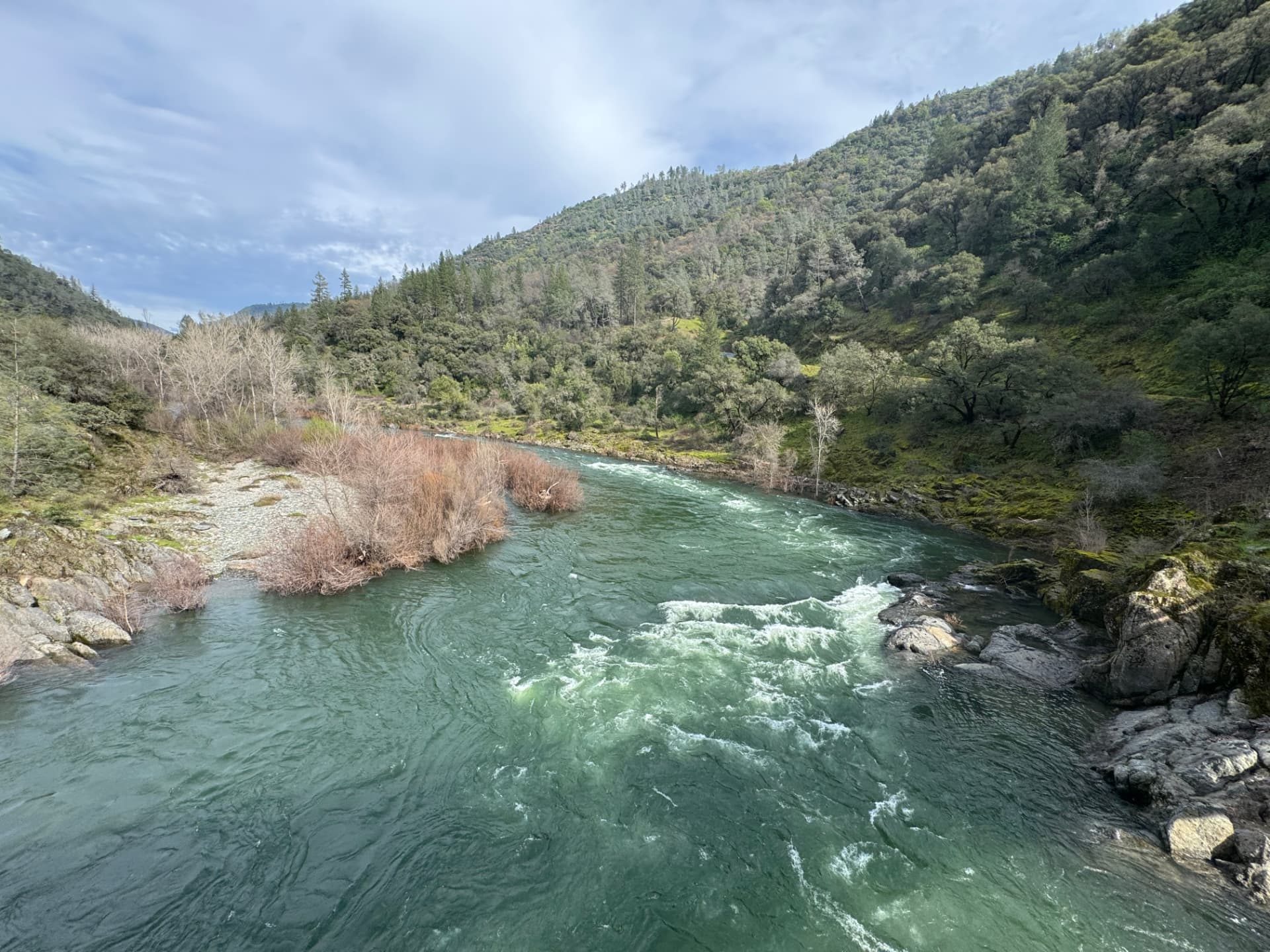
The Stevens Trail
A toll trail opened from Colfax down into the canyon and up to Iowa Hill, carrying miners and supplies. Hikers still walk it today.
1876
Where two railroads met
The Nevada County Narrow Gauge Railroad linked Colfax to Grass Valley and Nevada City, hauling gold, lumber, fruit and passengers to the main line until 1942.
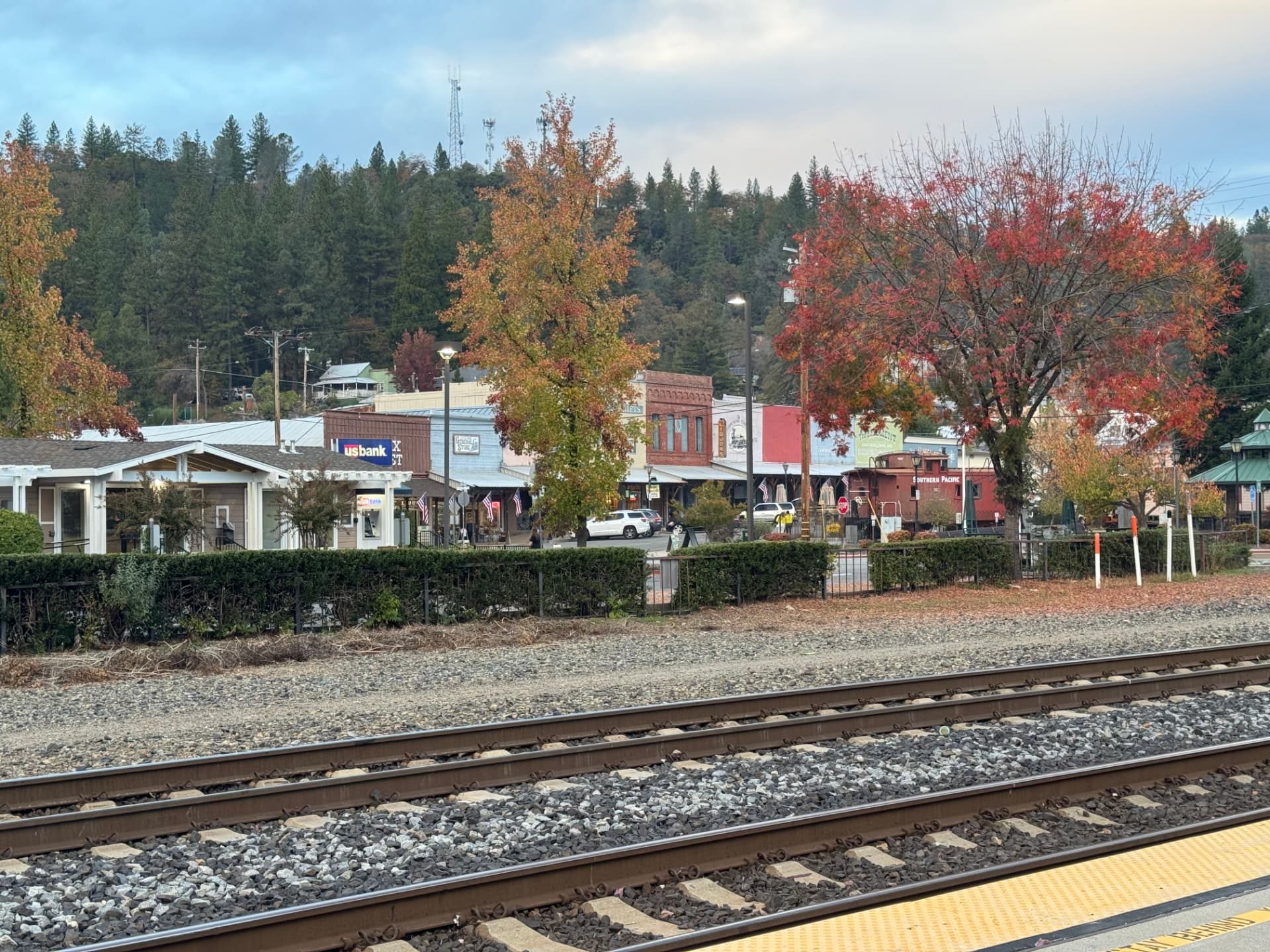
Late 1800s–1950s
The working railroad town
Colfax kept the steam engines running. A roundhouse and turntable serviced locomotives, and the town lived on rail, ice and water. When the railroad switched to diesel in the 1950s, that work moved to Roseville.
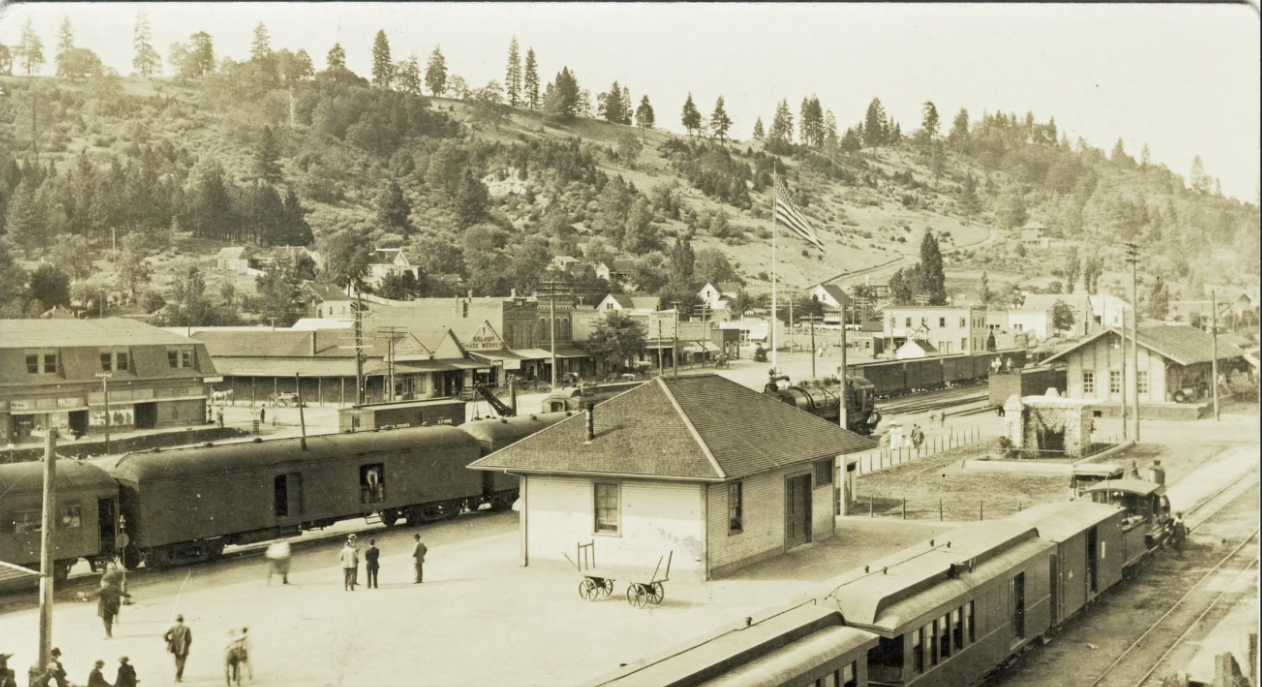
1903
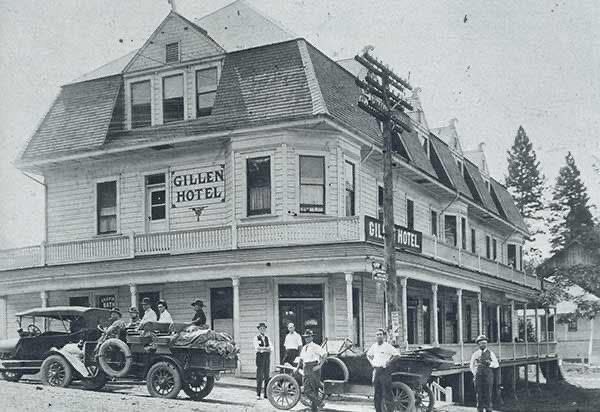
The Gillen Hotel opens
Dan Gillen, a longtime railroad conductor, built a three-story hotel beside the tracks for the travelers passing through. It welcomed guests for nearly 70 years.
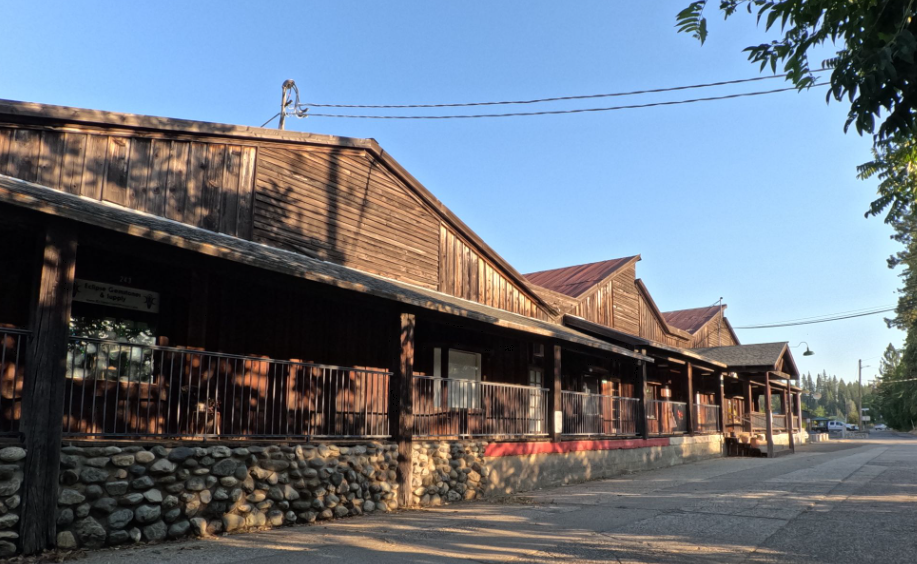
Early 1900s
Orchard country
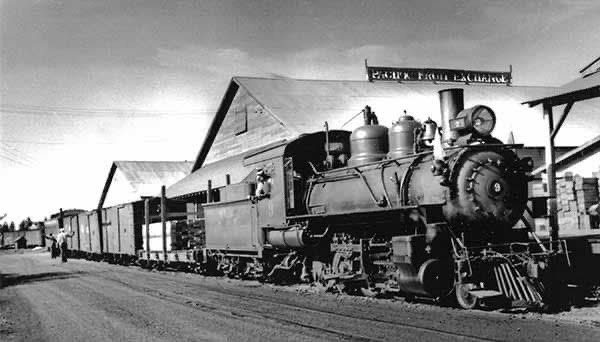
The Fruit Exchange shipped the foothills' apples, pears and peaches across the country, and Main Street filled with storefronts built to last. Colfax was a place people stopped on purpose.
February 23, 1910
Colfax becomes a city
Forty-five years after the railroad founded it, Colfax officially incorporated as a city.
1958
The highway moves two blocks over
Main Street lost its through traffic almost overnight. Interstate 80 followed in the 1960s, and more travelers passed Colfax by.
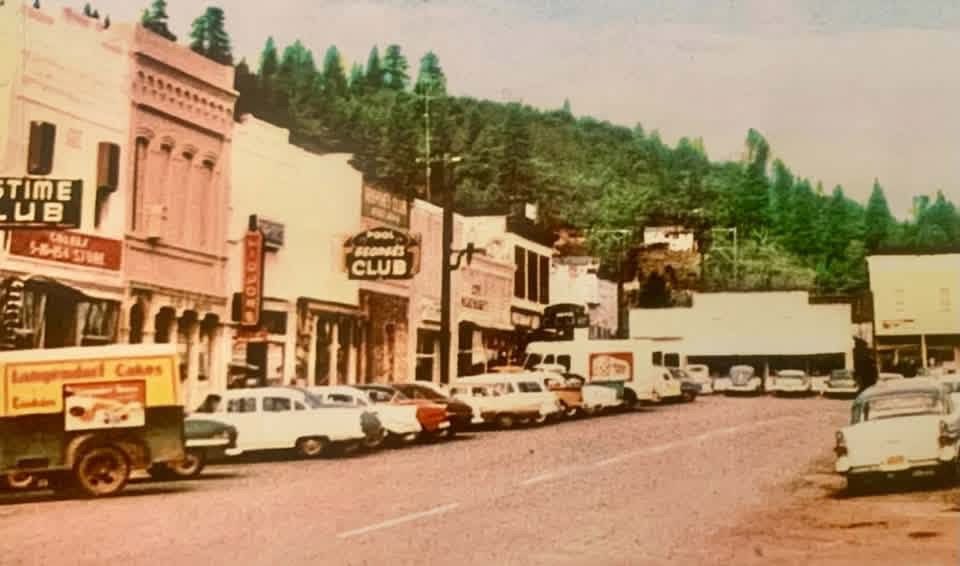
1980s–2000s
The long quiet
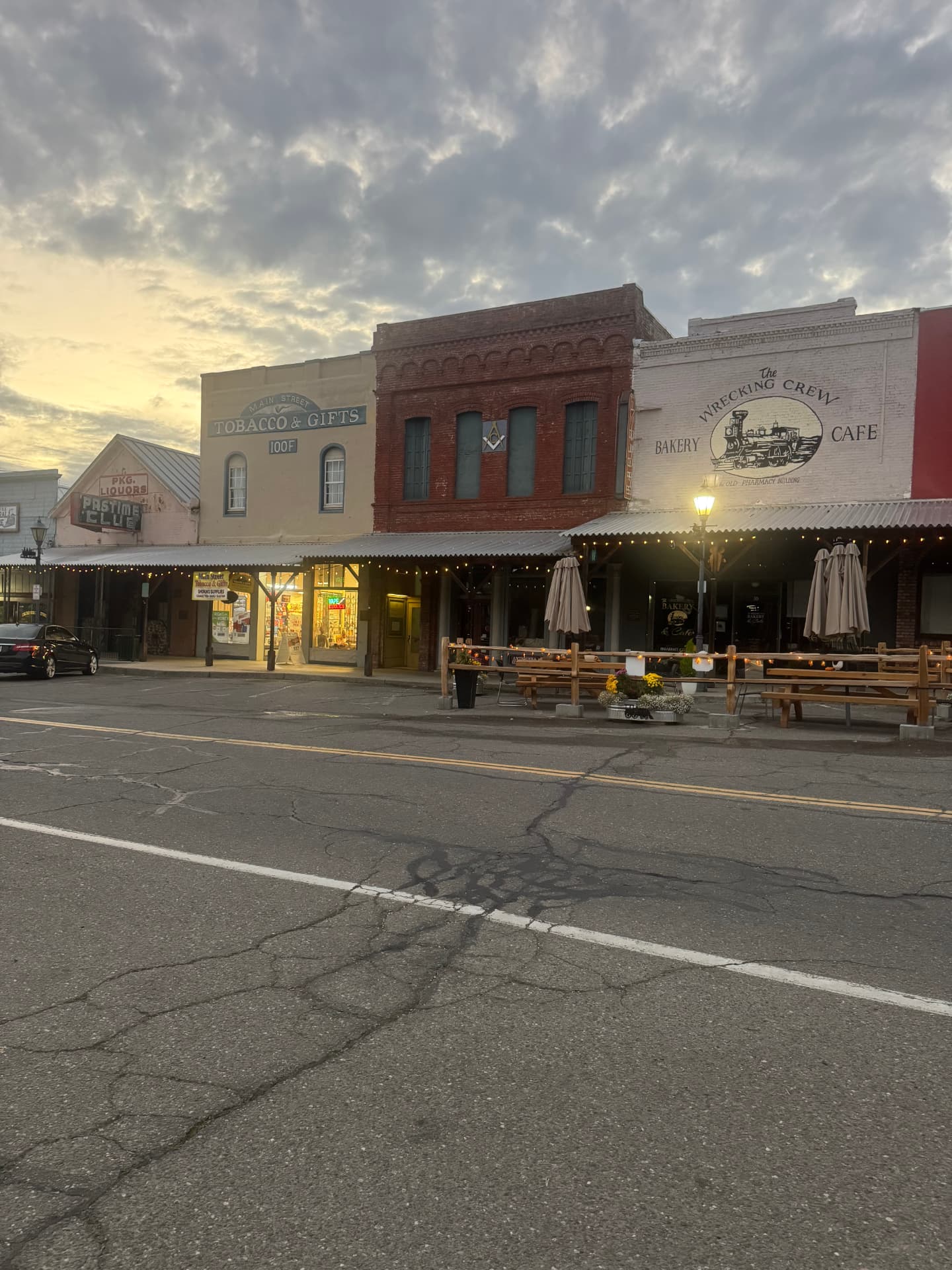
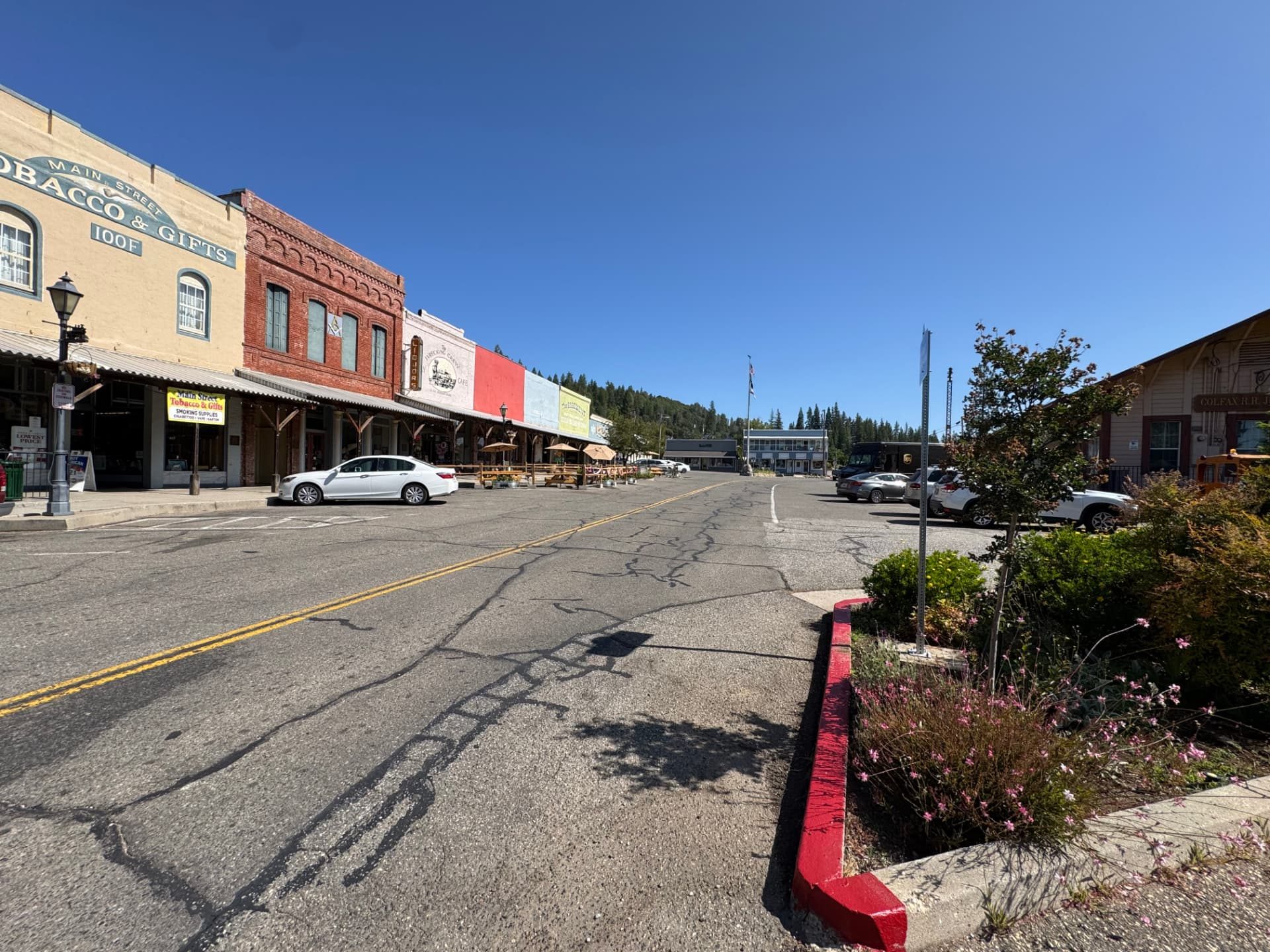
Downtown still had grocery stores, banks and busy restaurants into the '80s. Then the traffic stopped coming, owners moved on, and Main Street lost its pull.
2025
The next chapter
A handful of residents and business owners decided Colfax was worth the bet.
See the road so far →2025
A long shot: the Levitt Foundation
We applied for a national Levitt Foundation grant to bring free concerts to Colfax. We made it through the public voting round and landed in the top 50 — beating out cities 100 times our size. We didn't win.
2025
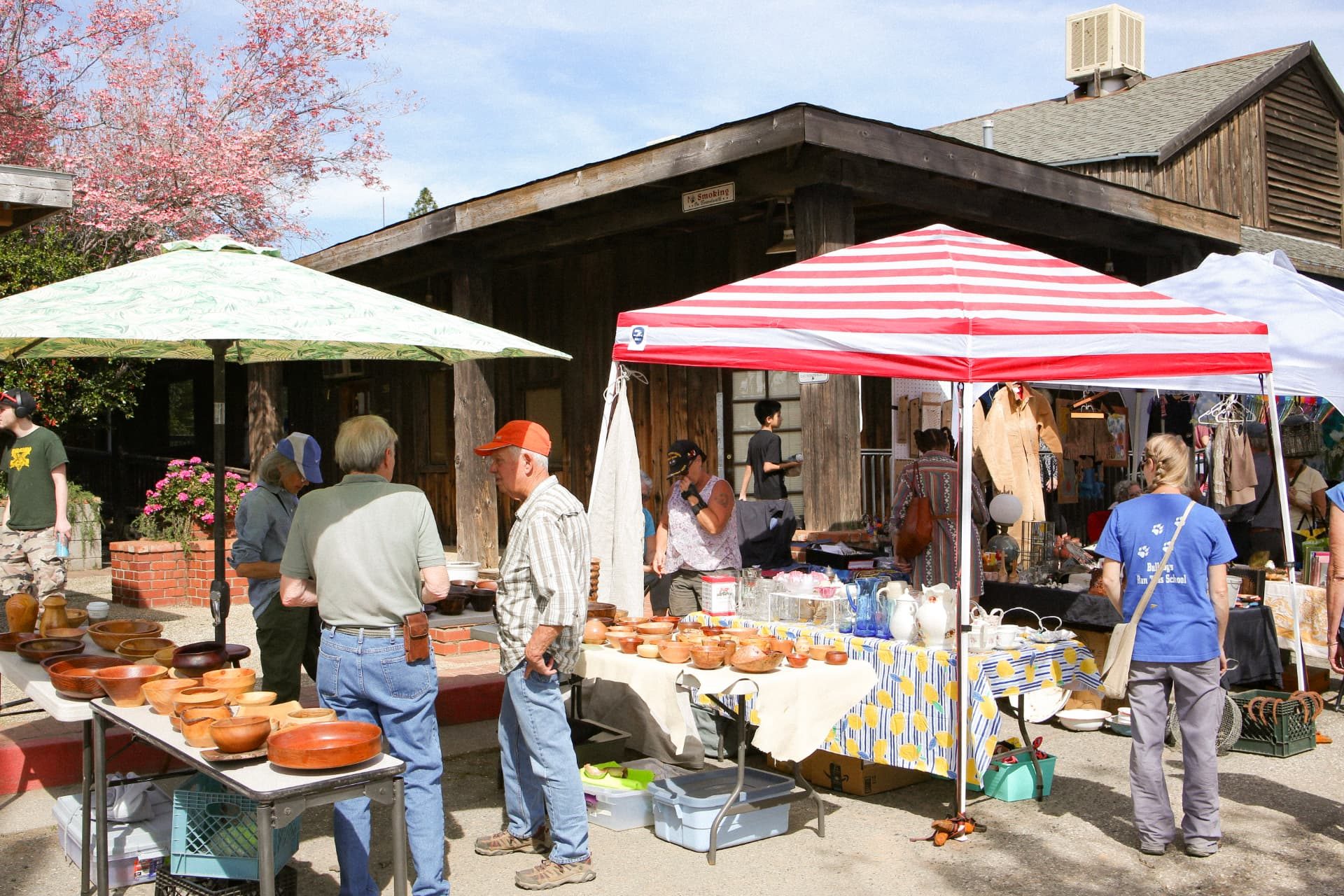
The Colfax Bazaar wakes up the Fruit Exchange
The Bazaar brought thousands of people to town and woke up the Fruit Exchange Building, which had sat nearly empty for a decade. Today five new businesses call it home.
2026
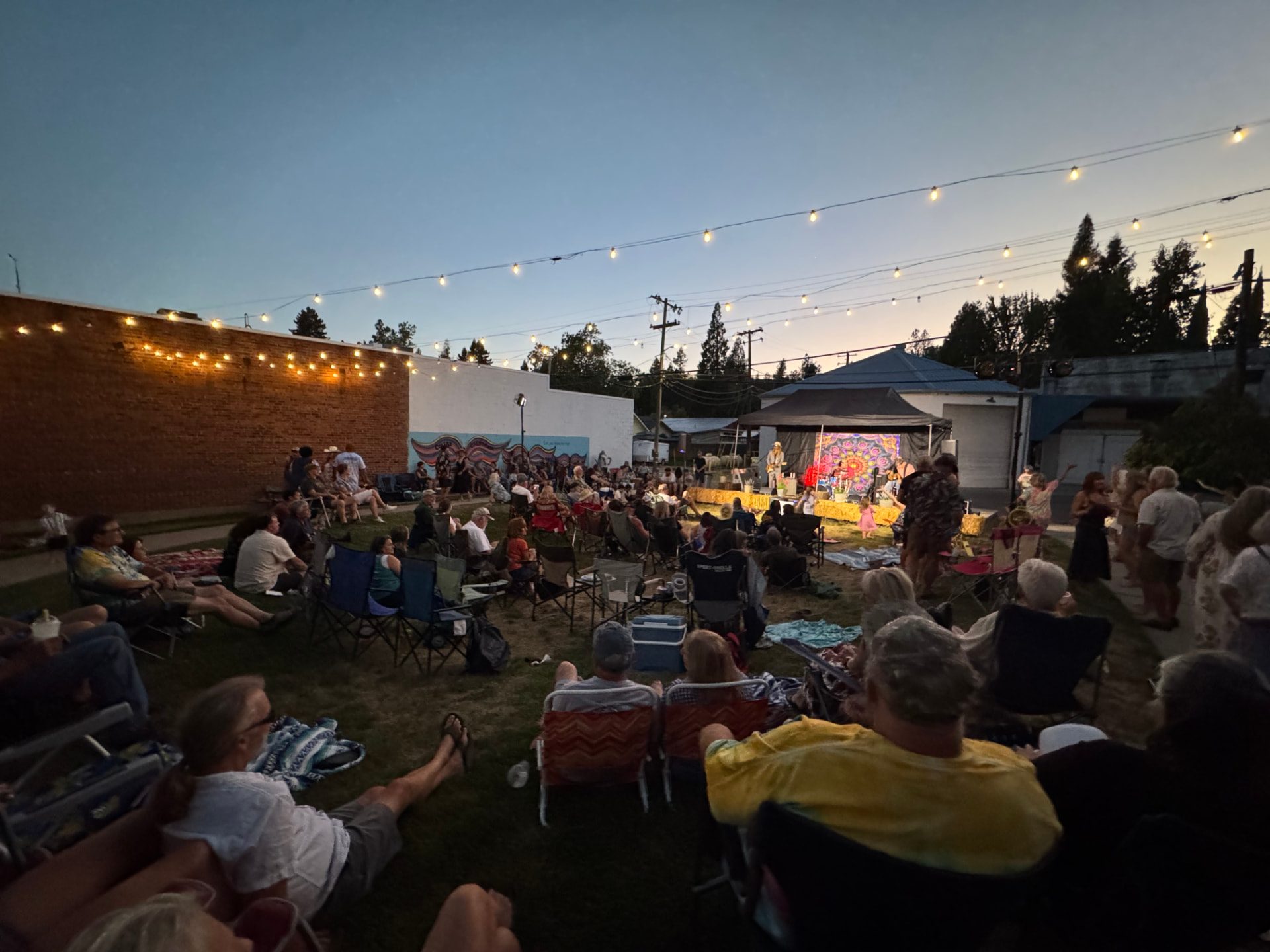
Live in Colfax
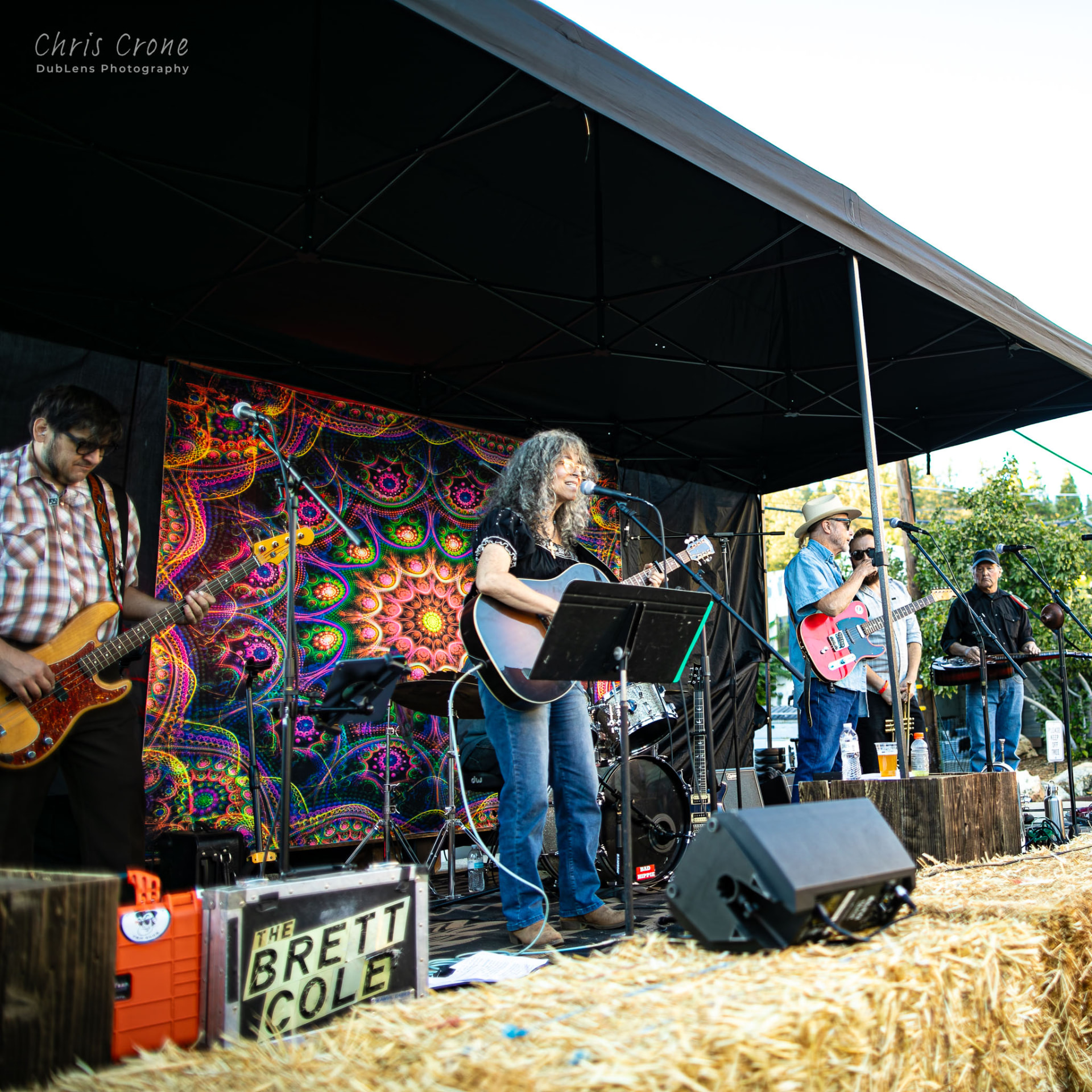
So we built it ourselves. Free concerts, no grant, figured out as we went. Neighbors brought lawn chairs. Then their friends did.
October 2026
The Iron Horse Music Festival
The Levitt Foundation came back with a different offer: a grant to launch a music festival. That's how Iron Horse was born.
June 2026
Selected for Fieldwork
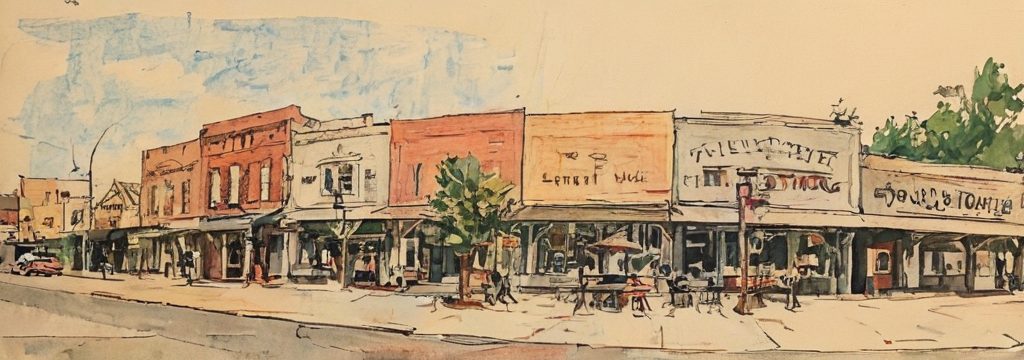
Colfax was chosen as one of just 20 rural communities to receive up to $60,000 in design work from award-winning architects and designers.
Now
The next chapter: being written now.
This part has your name on it.
Your name goes here.
The next chapter is being written with the whole town. Come put your mark on it.
See the plan →